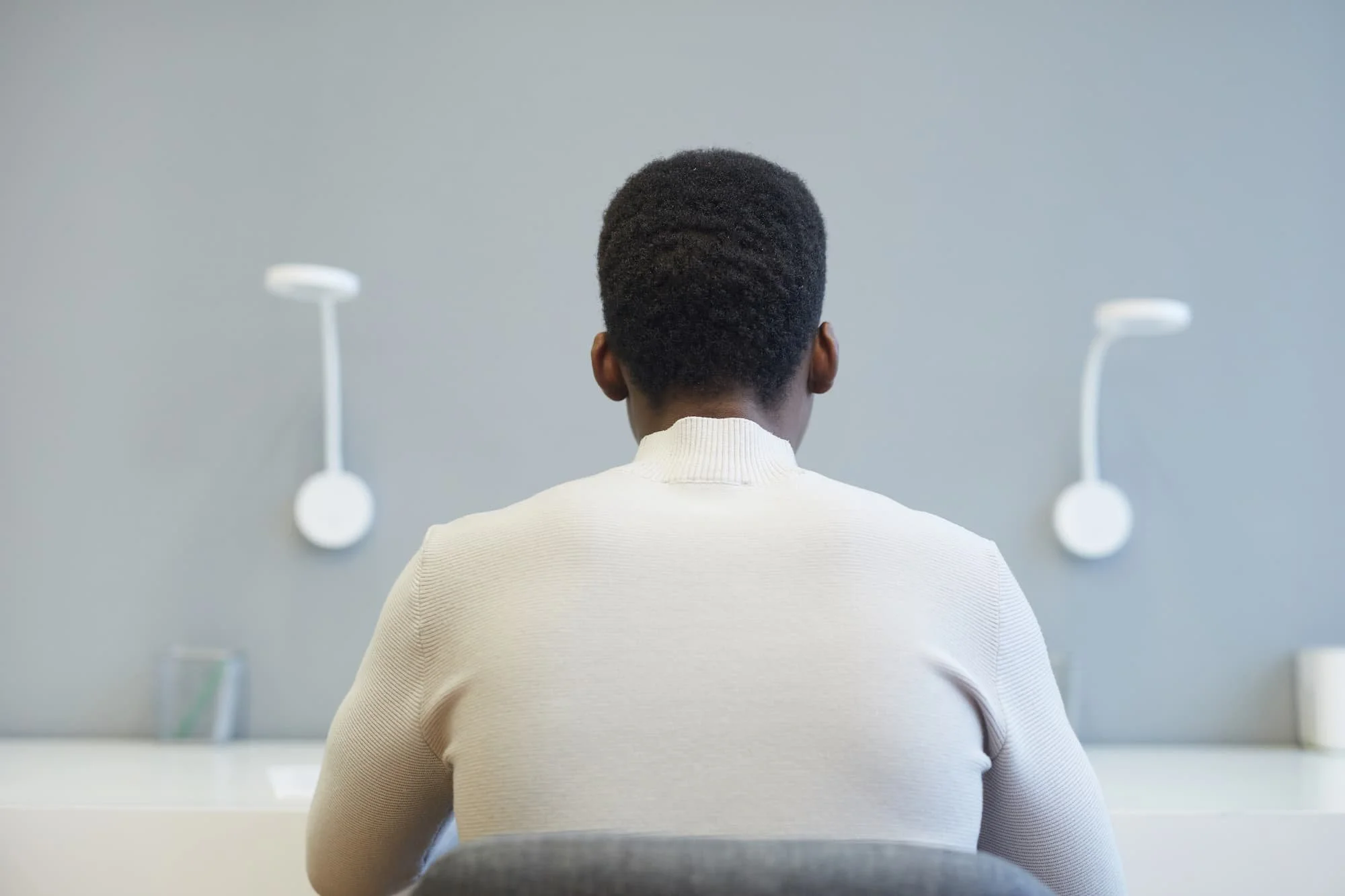
If you spend most of your day at a desk, in the car, or on the couch, you are not alone. Many people in Delta, Surrey, and surrounding communities sit for hours at work and then continue sitting during commutes, meals, and downtime. Over time, that routine can lead to tight muscles, poor posture, reduced mobility, and ongoing discomfort.
The good news is that the effects of prolonged sitting are often manageable. With the right habits, movement strategies, and professional support, you can improve mobility, reduce pain, and feel better in your body again. At Elite Health & Wellness, we help patients address everyday strain with personalized treatment plans and evidence-based care that support long-term health.
Why Is Sitting All Day Hard on the Body?
The human body is designed to move regularly. When you stay in one position for long periods, certain muscles become overworked while others become weak or less active. This can affect the spine, shoulders, hips, knees, and even circulation.
Sitting for too long commonly contributes to:
Neck tension
Upper back stiffness
Lower back pain
Tight hip flexors
Rounded shoulders
Reduced core engagement
Poor walking mechanics
Leg fatigue or swelling
This pattern is especially common in office workers, students, drivers, and anyone working from home. Even a good chair cannot fully replace the benefits of changing positions and moving often.
What Are the Signs That Sitting Is Affecting You?
Sometimes the effects of sitting build gradually. People often assume their discomfort is normal because it becomes part of daily life. Common signs include:
1. Tightness in the neck and shoulders
Leaning toward a screen or looking down at a phone can place repeated stress on the upper body. This can lead to tension headaches, shoulder tightness, and discomfort between the shoulder blades.
2. Aching or stiffness in the lower back
Prolonged sitting can increase pressure on the lower back, especially if posture starts to collapse over the course of the day. Many people notice pain when standing up after sitting for a long time.
3. Tight hips and reduced mobility
The front of the hips can become tight when they stay in a bent position for hours. This may affect posture, stride length, and overall movement.
4. Numbness, tingling, or leg discomfort
Sitting for long periods may also affect circulation or irritate surrounding tissues. If symptoms travel into the buttock or leg, it may be worth reading our blog on sciatica symptoms, causes, and when to see a chiropractor in Delta.
How Can You Undo the Effects of Sitting All Day?
Improving how your body feels does not usually require extreme changes. Small, consistent actions often make the biggest difference.
Start by Moving More Often
One of the best ways to reduce the impact of prolonged sitting is to interrupt it regularly. Your body responds well to frequent movement, even in short bursts.
Try these simple strategies:
Stand up every 30 to 60 minutes
Walk during phone calls
Stretch after long meetings
Take a short walk at lunch
Alternate between sitting and standing when possible
Do a few gentle movements before and after commuting
You do not need an intense workout every hour. Even one or two minutes of movement can help reduce stiffness and improve circulation.
Focus on the Areas That Get Tightest
When people sit for long periods, certain parts of the body tend to suffer the most. Paying attention to these areas can help restore balance.
Neck and upper back
Gently rolling the shoulders, opening the chest, and improving desk setup can help reduce strain. Keeping your monitor at eye level and avoiding prolonged forward head posture may also help.
Hips
Standing hip stretches, walking, and mobility exercises can reduce the tension that builds in the front of the hips. When hip flexors are tight, the lower back often works harder.
Lower back
Changing positions regularly and improving posture can help, but many people also benefit from hands-on care. Chiropractic care may help improve joint mobility, reduce discomfort, and support better movement patterns.
Legs and circulation
If you sit for work or travel often, leg heaviness and swelling may become a concern. In some cases, compression socks can help support circulation and reduce fatigue in the legs.
Build a Better Sitting Setup
Posture is not about staying perfectly straight all day. It is about reducing strain and giving your body better support.
A few workstation basics can help:
Keep both feet flat on the floor
Position your screen near eye level
Relax your shoulders instead of hunching them
Keep elbows supported and close to your sides
Sit back in the chair rather than perching forward
Use a small cushion or lumbar support if needed
Even with a well-set-up workstation, movement still matters. A better desk setup helps reduce stress, but it does not eliminate the need to stand, stretch, and walk.
Strength Matters Too
When sitting becomes your default position, some muscles can gradually become less active. The core, glutes, and upper back are especially important for posture and movement.
Helpful exercises often include:
Glute bridges
Bodyweight squats
Rows or band pulls
Core stability exercises
Hip mobility drills
Gentle walking or light cardio
You do not need to do everything at once. The key is consistency. A few minutes a day can support better posture, improve mobility, and reduce pain over time.
When Home Strategies Are Not Enough
Stretching and movement breaks can help, but sometimes symptoms keep coming back. If pain, stiffness, headaches, or limited mobility are affecting your daily life, professional care may help address the underlying issue.
At Elite Health & Wellness, we take a whole-body wellness approach to assess how your body is moving and where tension or restriction may be coming from. Depending on your symptoms and goals, treatment may include one or more services.
Chiropractic care for posture and joint mobility
Chiropractic care can be helpful for people dealing with lower back pain, neck pain, posture-related tension, and reduced spinal mobility. Treatment may include spinal adjustments, joint mobilization, soft tissue therapy, rehabilitation exercises, and ergonomic advice.
For people who sit all day, this can help support better movement and reduce repeated strain.
Registered Massage Therapy for muscle tension
If your muscles feel constantly tight, sore, or fatigued, Registered Massage Therapy may help. Massage therapy can target tension in the neck, shoulders, upper back, hips, and lower back. It may also support circulation, flexibility, and stress relief.
Many patients who work at desks find that massage therapy helps them feel looser and more comfortable, especially when combined with mobility work and posture changes.
Acupuncture for tension and stress
Stress and muscle tension often go hand in hand. Acupuncture may help reduce tension, support circulation, and promote relaxation. For some patients, it is a useful option for managing persistent discomfort that is linked to both physical strain and stress.
How Long Does It Take to Feel Better?
That depends on how long the problem has been building, your daily habits, activity level, and whether there are any underlying issues contributing to pain. Some people feel relief quickly once they start moving more often and improving their setup. Others need a more structured plan to restore mobility and reduce pain.
The most effective approach is usually a combination of:
Regular movement through the day
Improved posture and workstation habits
Targeted stretching and strengthening
Evidence-based treatment when needed
This is where personalized treatment plans can make a real difference. Instead of guessing what your body needs, you can get care tailored to your symptoms, lifestyle, and goals.
Practical Daily Tips to Counteract Sitting
Here are a few realistic ways to support your body during a busy week:
Before work
Take a 5 to 10 minute walk or do a short mobility routine.
During work
Set a timer to stand up every hour and stretch your neck, chest, and hips.
After work
Avoid going straight from your desk to the couch. A short walk can help reset your posture and reduce stiffness.
During commuting
Adjust your seat position, keep your head supported, and take standing breaks on longer drives when possible.
At home
Choose movement when you can, such as walking while talking on the phone or stretching while watching TV.
When Should You Seek Professional Help?
It may be time to book an appointment if:
Pain keeps returning
Stiffness is limiting movement
You are getting frequent headaches
Symptoms are affecting work, sleep, or exercise
You notice tingling, numbness, or pain that travels into the leg
Home stretches are not making enough of a difference
Early care can often prevent a minor issue from becoming more persistent. If you are unsure where to start, our team can help guide you toward the right treatment approach. You can also learn more about coverage options on our Extended Health page.
Take the First Step Toward Feeling Better
You may not be able to avoid sitting completely, but you can reduce the strain it places on your body. Small daily habits, better movement, and the right professional support can go a long way toward helping you feel stronger, looser, and more comfortable.
At Elite Health & Wellness, we provide evidence-based care to help patients in Delta, North Delta, Surrey, and surrounding communities improve mobility, reduce pain, and support long-term wellness. Whether you are dealing with posture-related tension, back pain, or everyday stiffness from desk work, our team is here to help.
Ready to start feeling better? Contact Elite Health & Wellness to book an appointment and take the next step toward living your life optimally.