Knee Pain: Common Causes And When To Seek Professional Care
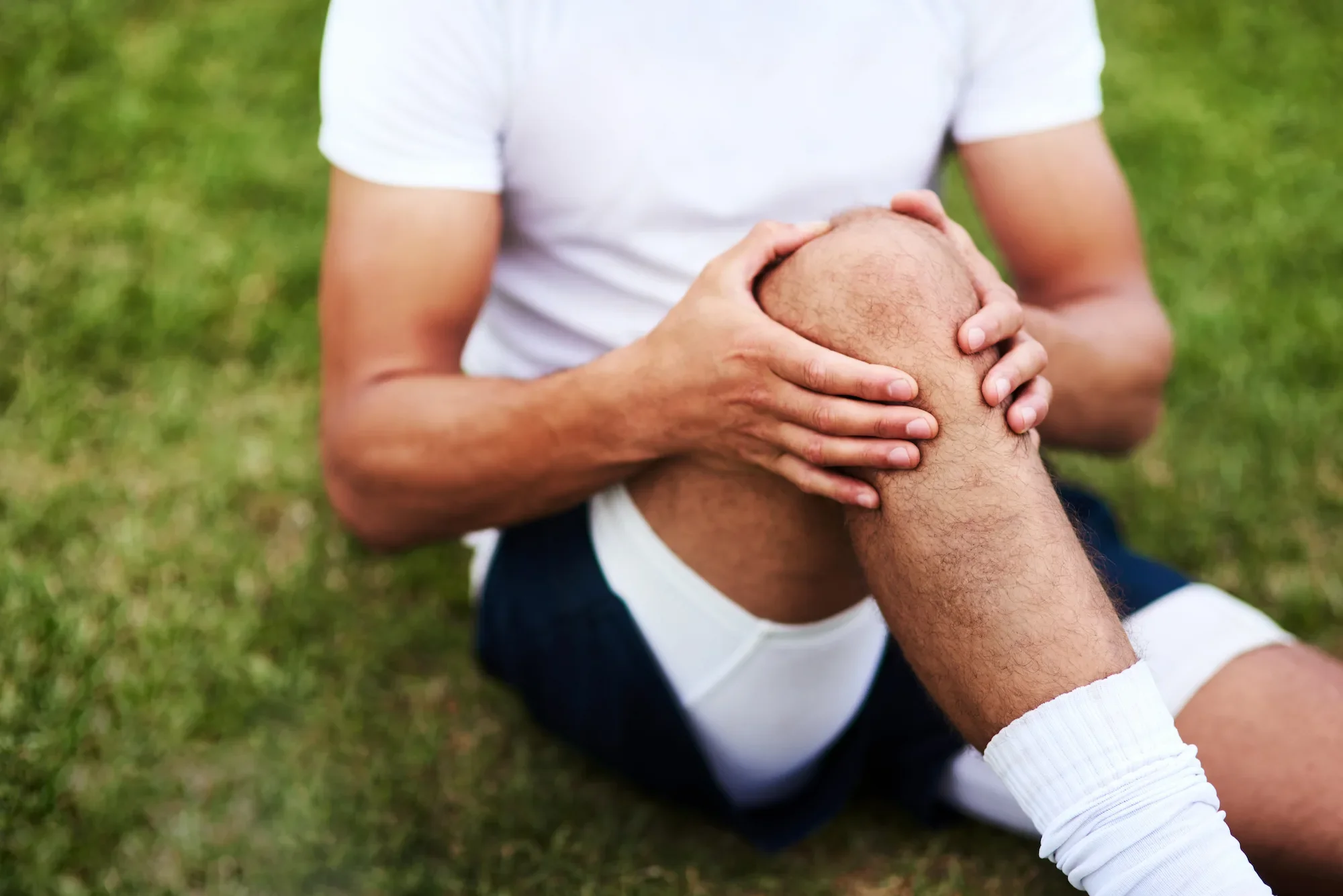
Knee pain can make everyday activities surprisingly difficult. Walking up stairs, getting out of a chair, exercising, working, or even standing for long periods may become uncomfortable when the knee is irritated or injured.
Because the knee is involved in so many daily movements, pain can develop for several different reasons. Sometimes it follows an obvious injury. In other cases, discomfort appears gradually due to repetitive activity, changes in movement patterns, muscle tension, or wear and tear.
At Elite Health & Wellness, we take a personalized approach to knee pain. Rather than focusing only on where it hurts, we consider how the knee, hips, ankles, feet, muscles, and overall movement patterns may be contributing to the problem. Depending on your needs, care may include chiropractic treatment, Registered Massage Therapy, acupuncture, custom orthotics, or orthopaedic bracing.
What Causes Knee Pain?
The knee is a complex joint made up of bones, cartilage, ligaments, tendons, muscles, and other supporting tissues. Pain may occur when one or more of these structures become irritated, overloaded, or injured.
Some causes are related to a sudden event, such as twisting the knee during sports. Others develop over time because the joint is repeatedly exposed to stress.
Understanding the likely cause of knee pain is important because treatment should be based on the individual rather than the symptom alone.
Common Causes Of Knee Pain
Muscle Strains And Overuse
Running, hiking, cycling, gym workouts, recreational sports, and physically demanding jobs can place repeated stress on the muscles surrounding the knee.
A sudden increase in activity may also cause discomfort. Someone who quickly increases their running distance, starts a new workout routine, or spends a weekend doing unusually strenuous activity may notice soreness around the knee afterward.
Tight or fatigued muscles in the thighs, hips, and calves can also affect how forces travel through the knee. Registered Massage Therapy may be incorporated into a treatment plan to address muscle tension, soft tissue restrictions, and mobility concerns.
Ligament Injuries
Ligaments help stabilize the knee joint. They may be sprained or torn when the knee twists suddenly, changes direction quickly, or experiences a forceful impact.
These injuries are common in sports that involve jumping, pivoting, or rapid changes of direction.
Symptoms may include:
Sudden pain
Swelling
Difficulty putting weight on the leg
A feeling that the knee is unstable
Reduced movement
Significant knee injuries should be professionally assessed, particularly when swelling or instability develops quickly.
Meniscus Injuries
The menisci are pieces of cartilage that help cushion the knee and distribute forces across the joint.
A meniscus can become irritated or injured during twisting movements, especially when the foot remains planted while the body rotates. Changes related to aging may also make the tissue more vulnerable to injury.
People with meniscus problems may experience pain, swelling, stiffness, catching, or difficulty fully bending or straightening the knee.
Patellofemoral Pain
Pain around or behind the kneecap is sometimes referred to as patellofemoral pain.
It may become noticeable during activities such as:
Running
Squatting
Climbing stairs
Sitting with the knees bent for long periods
Jumping
Several factors can contribute, including training volume, muscle weakness, movement mechanics, and how the kneecap moves during activity.
Because problems elsewhere in the body may influence knee mechanics, assessing the hips, ankles, and feet can be useful when determining an appropriate treatment strategy.
Osteoarthritis
Osteoarthritis becomes more common with age and involves changes to the cartilage and other structures within a joint.
Knee osteoarthritis may cause stiffness, aching, reduced mobility, or discomfort that becomes more noticeable after activity or following prolonged periods of inactivity.
While osteoarthritis cannot simply be reversed, appropriate activity, movement strategies, and professional care may help people maintain function and manage symptoms.
Foot And Lower-Limb Mechanics
The knee does not function independently from the rest of the leg.
The position and movement of the feet and ankles can influence how forces travel through the knees and hips. For some people, foot mechanics may contribute to recurring discomfort during walking, standing, or exercise.
When appropriate, custom orthotics can be used to support the feet and lower limbs and address individual biomechanical needs.
When Should You Seek Professional Care For Knee Pain?
Not every episode of mild knee soreness requires treatment. Temporary discomfort after unfamiliar activity may improve with appropriate rest and a gradual return to movement.
However, professional assessment is worth considering when pain:
Persists instead of gradually improving
Keeps returning
Interferes with walking, work, exercise, or sleep
Causes noticeable loss of mobility
Is associated with ongoing swelling
Makes the knee feel unstable
Develops after a sports injury or accident
Sudden severe pain, significant swelling, visible deformity, inability to bear weight, or symptoms following major trauma should receive prompt medical attention.
Professional assessment can help determine whether knee pain is likely related to muscles, joints, movement mechanics, or another structure requiring further investigation.
How Can Chiropractic Care Help With Knee Pain?
Chiropractic care is often associated with the spine, but chiropractors also assess musculoskeletal problems affecting joints and movement throughout the body.
At Elite Health & Wellness, chiropractic care may include an assessment of the knee as well as related areas such as the hips, ankles, feet, and lower back.
Depending on the individual, treatment may involve:
Joint mobilization
Soft tissue techniques
Mobility work
Rehabilitation exercises
Movement and posture advice
Guidance for returning to activity
Our goal is to develop a personalized treatment plan that supports better movement and function rather than applying the same approach to every patient.
Can Massage Therapy Help Knee Pain?
Muscles around the knee play an important role in controlling and supporting the joint.
Tension or restrictions in the quadriceps, hamstrings, calves, or surrounding tissues may contribute to discomfort or affect movement.
RMT care at Elite Health & Wellness can focus on relevant muscles and soft tissues while supporting flexibility, movement, and recovery.
This may be particularly useful when knee discomfort occurs alongside muscle tightness or after demanding physical activity.
For readers interested in learning more about recovery and muscle tension, our article on massage therapy for muscle tension, stress, and recovery explains how massage can fit into a broader wellness plan.
Can Acupuncture Be Part Of A Knee Pain Treatment Plan?
For some patients, acupuncture may form part of a broader treatment approach for musculoskeletal discomfort.
Acupuncture involves inserting very thin needles at selected points according to an individualized treatment plan. It may be considered alongside other approaches depending on the type of knee pain, the patient's health history, and their goals.
As with any treatment, recommendations should be based on an appropriate assessment rather than assuming one therapy is suitable for everyone.
When Can Knee Bracing Be Helpful?
Some knee conditions or injuries may benefit from added support.
An orthopaedic brace can help stabilize or support a joint when appropriate. The type of brace needed depends on the condition, activity level, and reason support is required.
A properly selected brace is different from simply purchasing a generic knee sleeve. Professional guidance can help determine whether bracing is appropriate and what level of support is suitable.
How Can You Help Prevent Knee Pain?
Knee problems cannot always be prevented, but several habits can help reduce unnecessary strain and support healthier movement.
Increase Activity Gradually
Avoid dramatically increasing running distance, workout intensity, or sports participation over a short period. Give your body time to adapt.
Build Strength Around The Hips And Legs
Strong muscles help manage forces travelling through the knee. Exercises may focus on the quadriceps, hamstrings, glutes, and calves depending on individual needs.
Pay Attention To Footwear
Supportive footwear appropriate for your activity can influence comfort and movement. People experiencing recurring foot or lower-limb issues may also benefit from an assessment for custom orthotics.
Allow Time For Recovery
Rest and recovery are part of staying active. Persistent pain should not simply be ignored or repeatedly pushed through.
Address Small Problems Early
Changes in mobility, recurring tightness, or mild pain that repeatedly returns may be easier to manage before they begin interfering significantly with daily activities.
Get Personalized Care For Knee Pain In Delta
Knee pain can have many possible causes, which is why there is rarely a single treatment that is right for everyone.
At Elite Health & Wellness, we provide evidence-based, patient-focused care designed around your symptoms, movement, lifestyle, and health goals. Our multidisciplinary services allow us to consider different treatment options, including chiropractic care, Registered Massage Therapy, acupuncture, custom orthotics, and orthopaedic braces.
If knee pain is limiting your mobility, preventing you from exercising, or interfering with everyday life, you do not have to simply work around it. Contact Elite Health & Wellness to book an appointment at our Delta clinic and take the next step toward improving your movement and supporting long-term health.